Ask ten educators to define work-based learning and you'll get ten answers. Internships. CTE pathways. Apprenticeships. Capstones. "That thing the career counselor runs." They're all partly right.
But here's the simplest way to think about it: work-based learning is how schools connect what kids do in the classroom to the real world of careers, community, and the people who actually do the work.
Aaron Schorn, our Head of Community and Growth, has spent his whole career on this. He's built summer programs connecting youth with industry mentors, run capstone and work-based learning experiences as a K-12 coordinator across the 5th, 8th, and 12th grades, and now works with hundreds of educators and school leaders standing up programs in their own districts.
This guide pulls from that experience: what work-based learning is, the main types of WBL activities, why it matters more than ever, real schools doing it well, and the practical tips (plus the one habit) that separate a checklist from a real culture of work-based learning.
Quick answer: Work-based learning (WBL) is an educational strategy that gives students real-world, hands-on learning experiences connected to careers and community. It bridges the classroom and the workplace through internships, apprenticeships, CTE pathways, externships, and client-connected projects, helping students build technical skills, durable employability skills, and professional networks before they graduate.
The thing that makes work-based learning different from a one-off site visit is intention. As Aaron puts it:
"Simply put, work-based learning is an educational strategy that provides students with real-world learning opportunities. It gets students out into the community, it gives them an idea of different career trajectories, but it also allows them to have experiences that shape their personal qualities just as much as their professional qualities."
That last part is the part people miss. Work-based learning shapes how a young person communicates, how they sit with ambiguity, how they show up for other people. Aaron is blunt about what it is and isn't:
"Work-based learning is not just a field trip. It's a bridge between being a student and a professional. It allows students to grow as human beings. It allows them to engage with a totally different population of people. And it creates this immense human capital, these great relationships that they can carry with them well after."
Quick answer: Work-based learning helps students apply academic and durable skills in real workplace settings, explore career options, de-risk career paths, build relationships with mentors and industry professionals, and gain wisdom years earlier than traditional schooling allows. It also strengthens the relationship between a school and the community around it.
Our students are growing up in what Aaron calls a VUCA world:
(He picked up the term from Scott McLeod at CU Denver, and it describes just about everything our kids are walking into.)
Work-based learning is one of the best answers we've got, because it lets students test their skills against a real labor market instead of waiting for "someday."
"I had so many students in my work-based learning communities that got D's and C's in traditional academic classes, but thrived in internships, thrived in projects that were connected to the real world. They needed that purpose."
For any district worried about inclusivity, this is the part to underline. Work-based learning is a light you can shine on the students who’ve rarely received recognition, and it lets them be seen in ways school hasn't allowed before.
When a student is out working on a project, the skills of communication, data, and math stop being abstract. They become immediately useful. It's no longer "wait until you graduate." Kids see, right now, that what they're learning matters, and buy-in changes completely Academic achievement back in the classroom often follows, because the "why" is finally visible.
Work-based learning frees teachers to be coaches, facilitators, and connectors instead of just deliverers of content. Teachers get to help students navigate their own paths, and they pick up real project-management skills along the way.
In strong work-based learning districts, the community ends up caring more about the school because they finally understand it. Businesses, nonprofits, and local officials work side by side with remarkable students and build their own local talent pipeline in the process. The school becomes legible to the people around it. Aaron calls it "a community uniter".
Everybody loves the story of the kid who discovered a passion for cooking and became a chef. But Aaron makes a point that's easy to miss:
"Just as often, there is a power in realizing what you do not want to do with the rest of your life."
He's sat through dozens of exhibitions where everyone wanted the kid to say, "Because of this experience, I want to be a cook." And just as often the kid says the opposite, and that's a win too. That's career exploration doing exactly what it's supposed to do: finding out what you don't want, years before you'd otherwise figure it out, is its own kind of gift.
"Work-based learning is a gift. It gives students knowledge and wisdom years before they would've had it in traditional schools."
Quick answer: WBL activities range from short, low-intensity career exposure to multi-year, paid work experiences. Common types include career awareness activities, job shadows, externships, CTE pathways, internships, client-connected and consulting projects, apprenticeships and pre-apprenticeships, school-based enterprises, and service learning.
Most states organize these along a work-based learning continuum that ramps up in intensity as students get older, moving from career awareness to career exploration to career preparation to participation. Here's how the main types fit together:
Some schools also use simulated work environments—a career readiness class with mock interviews, or a student-run "firm" inside the building—as a bridge when off-campus placements aren't yet possible for every student.
there's all types of work-based learning—formal, informal—some spanning an entire four-year experience and some lasting a single semester. The right mix depends on your community, which turns out to be the through-line in every program that does this well.
Strong programs are intentional about two layers of skill.
The first is the layer of durable, human skills—what industry partners often call employability or work readiness skills—that let a student thrive in an uncertain landscape: leadership, character, adaptability, communication, creativity, critical thinking, plus metacognition, mindfulness, and fortitude. Aaron's advice here is practical. Pull from what your school has already named:
"Really pull from what your school or district has already named, whether you have a portrait of a graduate or key competencies. Think about, what makes your learning community unique."
The second layer is technical skill: the industry-relevant, career-specific abilities like welding, graphic design, or culinary arts that hand students a real tool belt for life after high school. Aaron adds a modern one to the list, too: "Even how they use AI to build is a big, important technical skill into the future."
The outcomes stack up fast. Industry-recognized credentials. Concurrent enrollment that lets students start college as a sophomore or junior and opens up postsecondary pathways early. Professional networks that turn into internships, stronger job applications, and jobs. Mentors they lean on for years. And, most importantly, wisdom, the kind that only comes from doing the real thing. That's career development happening in real time, not on a worksheet.
The fastest way to understand work-based learning is to watch it happen. Here are four learning communities we've had the privilege to work with and/or learn from, each doing something distinct.
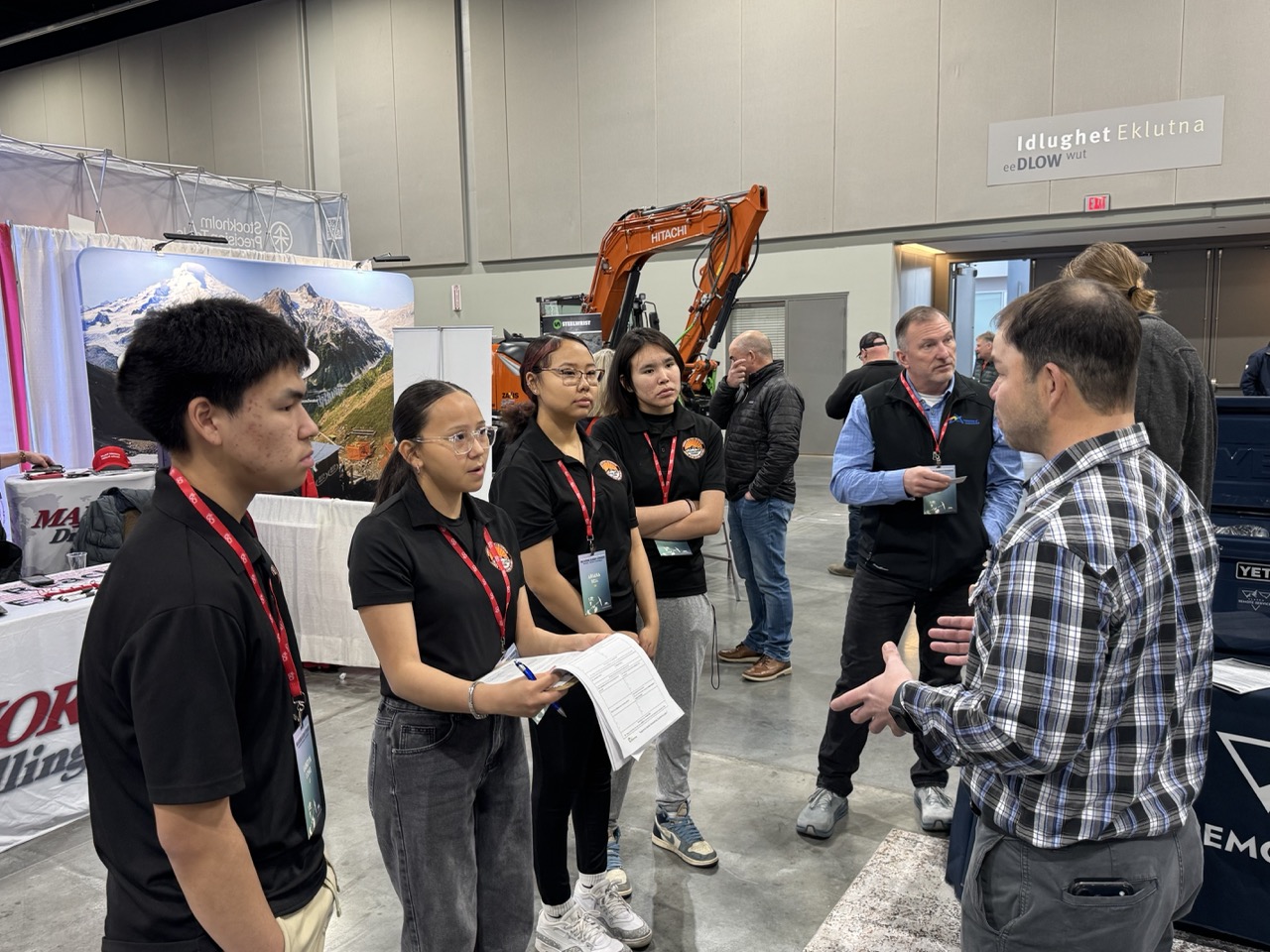
LYSD figured out something foundational: a strong work-based learning program needs belonging and confidence first. They leaned hard into social-emotional learning so students felt real pride and confidence before diving into work-based experiences. The human groundwork came first, and everything else was built on top of it.
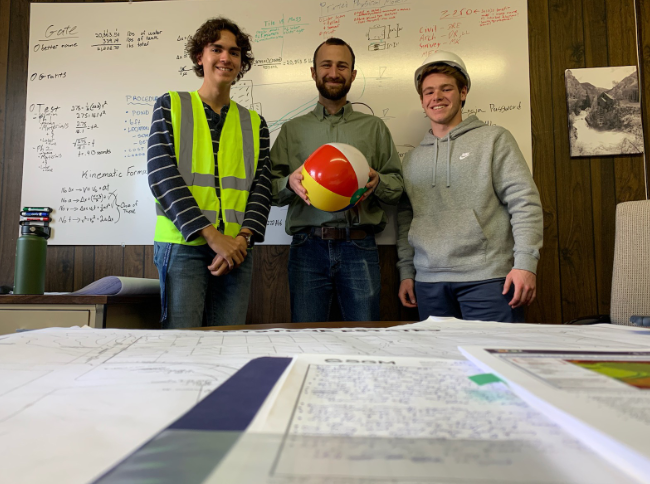
Cañon City is one of the most community-engaged schools you'll ever see. Work-based learning is embedded across the entire 9–12 experience. It isn't a single CTE program off to the side. Traditional classes tie into each student's professional journey, and frequent public exhibitions of learning welcome the whole community in.
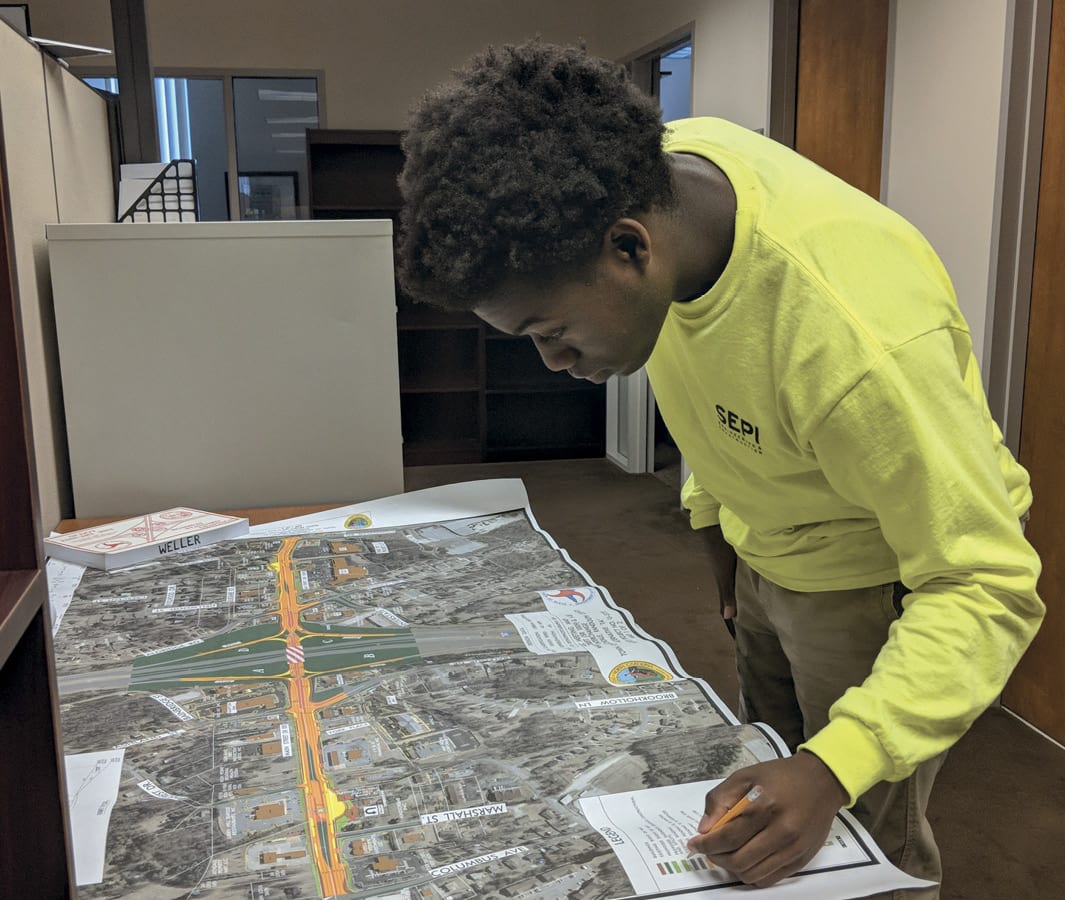
Cary Academy does something bold: they shut down traditional school for two weeks while half the student body does internships, not just in North Carolina but across the country. What sets them apart is how they share documentation and reflection across the student body, so every kid can learn from their peers' experiences. They've built a communal work-based learning culture inside one school.
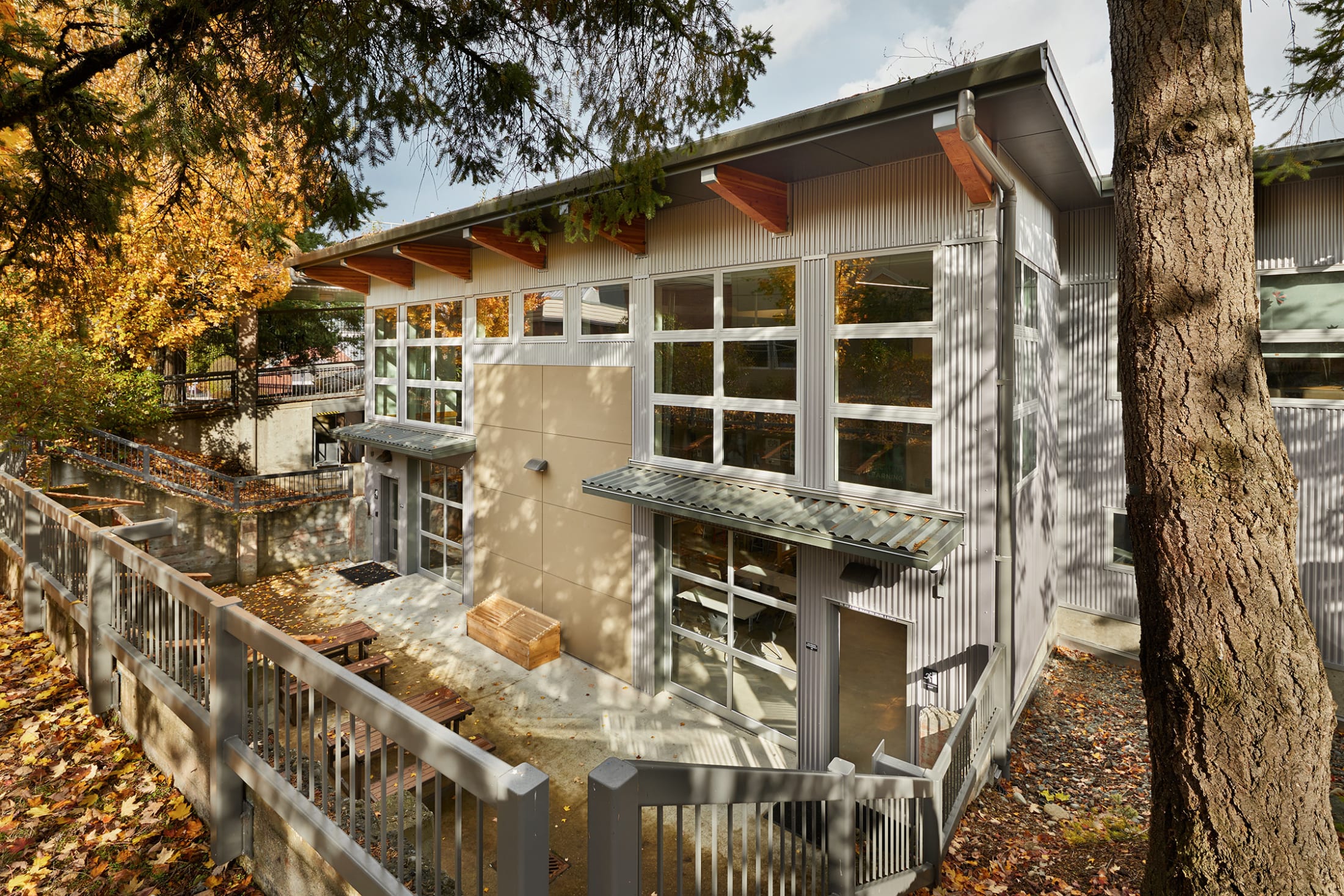
Gibson Ek threads a personal project and an internship through all four years. Students are on campus three days a week and out interning the other two, and dedicated design-lab classes build the technical skills that make all the other work-based learning possible.
The common thread? Every one of these programs builds vital technical skills first, so students are set up to succeed when the real experience arrives. And each one is deeply enmeshed in its community. As Aaron points out, the strong ones don't pick CTE pathways "because they sound good." They pick them "because their community is doing those things."
If you're standing up or strengthening a program, these are the tips that matter most. They come straight from Aaron's years inside work-based learning and his work with hundreds of learning communities since.
This is the one habit that changes everything, and Aaron tells a story that explains why. One year, a district had a student with clear electrician talent. They expected her to land an apprenticeship immediately. But she struggled as a writer, and there was no way for her to capture her growth in the moment. Then, the next year:
"There's another student who wants to become a welder, also struggles as a writer. But he, over the course of this year, has been able to capture in all forms of multimedia his growth, his personality, his work ethic, and his work product. And that will help him get this welding job that's coming up in the next few months."
Allow students to document with the medium they are most comfortable. Don’t let their writing skills prevent them from showing off their progress in work-based learning.
Chambers of commerce, workforce development boards, economic development agencies, employer associations, service clubs, local officials, small business owners, and for-profit and nonprofit community partners. That's not only where students intern and where subject-matter experts flow into your building. It's also where you can go in together on grants— your state department of labor and federal programs like Perkins V and the Workforce Innovation and Opportunity Act (WIOA) fund a lot of this work. And keep a simple WBL database of your industry partners, even if it starts as a spreadsheet, so relationships don't live entirely in one coordinator's head.
Don't just run an operations flow with boxes to check, and don't let the whole program live inside a single WBL coordinator's job description. Backwards-design from the experience. Ask teachers, even in traditional academic classes in 6th or 9th grade, what skills they can give students that prepare them for an internship or pathway. (Teacher externships—putting educators themselves inside local workplaces for a few days—are one of the fastest ways to build that shared understanding.) Build a real scope and sequence plan, and you shift from compliance to a culture of excellence.
Social-emotional learning belongs before or alongside work-based learning, especially in middle and early high school. And here's the magic, in Aaron's words:
"Sometimes we over-SEL an experience, and the kids are just rolling their eyes at us. But when a student actually understands why communication, collaboration, critical thinking, why the skills of empathy are super important on a day-to-day basis in a work-based learning experience, their buy-in is remarkable."
Work-based learning concepts shouldn't first show up in high school. A seventh grader doesn't need a full internship. But they do need early career exposure, the baked-in skills, and safe first experiences so that when they hit ninth grade, they can run with it. Use middle school to plant technical skills early, then lean into the soft skills that make a great high school program possible.
You should be able to see a student's trajectory from grades 9 through 12 in a way that's consumable for the student, the parent, industry, and the school. That rarely happens through a standardized test or a portfolio thrown together at the end of senior year. Summative documentation that's connected to skills and built over time is what tells the real story.
If you take one idea from this whole guide, take this one: the experience itself is only half of work-based learning. The other half is helping students become the storytellers of their own learning. Aaron frames it as teaching a student to be "a journalist of their own learning."
What you're really doing is empowering a student to understand themselves, to feel worthy and confident enough to capture their experiences, and then to build metacognition, looking back, making meaning, and watching their own growth over months or years. The last skill is curation: the ability to shape a story for a specific audience, whether that's a college admissions officer, a hiring manager right out of high school, or a parent. That skill is going to be vital in the future our kids are stepping into.
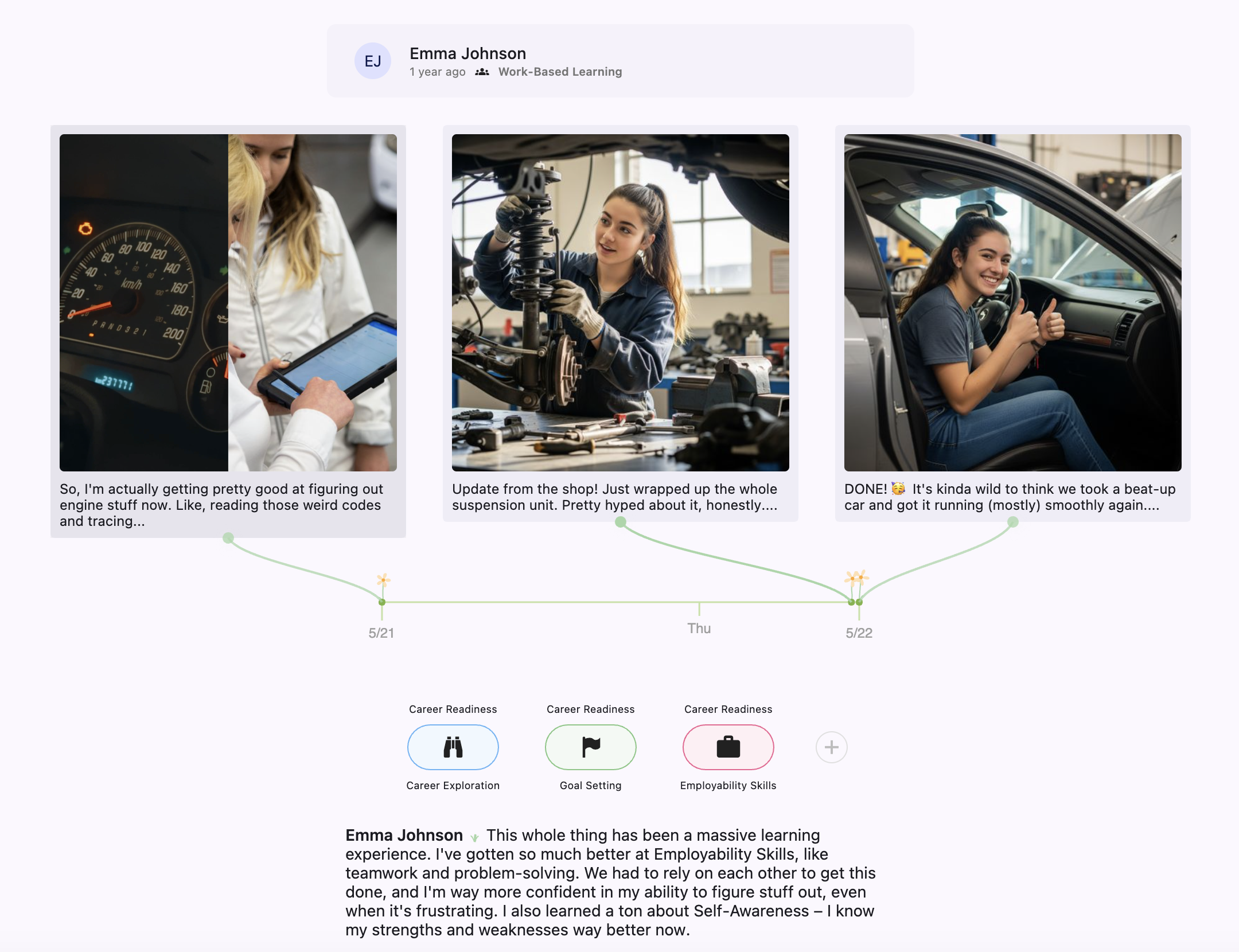
This is the problem we built Unrulr to solve. In Aaron's words:
"We built Unrulr as a story catching tool, as a way to celebrate process just as much as the products of learning. We want students to be able to document in a way that feels authentic and easy to them via video, audio, photos, etc."
One of the most core parts of the tool is this: a community takes its Portrait of a Graduate skills, its durable competencies, and turns them into tags or badges. So documentation isn't just a scrapbook. It's evidence, tied to the exact skills your community decided mattered.
The result is a living, breathing portfolio that lets a teacher see growth in real time, lets a community celebrate a learner who wasn't always celebrated, and gives every student a record of who they are: their skills, their experiences, their story. Exactly the kind of evidence that matters in a VUCA world.
As Aaron sums it up at the end of the video:
"Work-based learning is a common sense way to prepare kids for a world we cannot predict. Work-based learning allows students to get wisdom earlier in their lives by getting meaningful experiences connected to technical skills, soft skills, and academic skills."
Work-based learning (WBL) is an educational strategy that gives students real-world, hands-on experiences connected to careers and community. It bridges the classroom and the workplace through internships, apprenticeships, CTE pathways, externships, and client-connected projects, helping students build technical and durable skills before they graduate.
Common WBL activities include internships, apprenticeships and pre-apprenticeships, CTE pathways, externships, job shadows, client-connected and consulting projects, school-based enterprises, and service learning, ranging from short, low-intensity career exposure to multi-year, paid work experiences.
It helps students apply academic and durable skills in real settings, explore career options, de-risk career paths, build professional networks and relationships with mentors, and gain wisdom years earlier than traditional schooling allows. It also strengthens the relationship between a school and its community.
CTE (career and technical education) is a formal program of study in a specific career field. Work-based learning is the broader strategy of connecting students to real-world experiences. CTE pathways are one type of work-based learning, but WBL also includes internships, externships, apprenticeships, and project-based experiences outside formal CTE programs.
Well before high school. Middle school is the time to build foundational technical and social-emotional skills and safe, low-stakes experiences, so students can run with deeper internships and pathways in grades 9 through 12.
Book a demo or create an Unrulr account today.
Subscribe to our newsletter for more great content!
